The Role of Surveillance in Personal Injury Cases
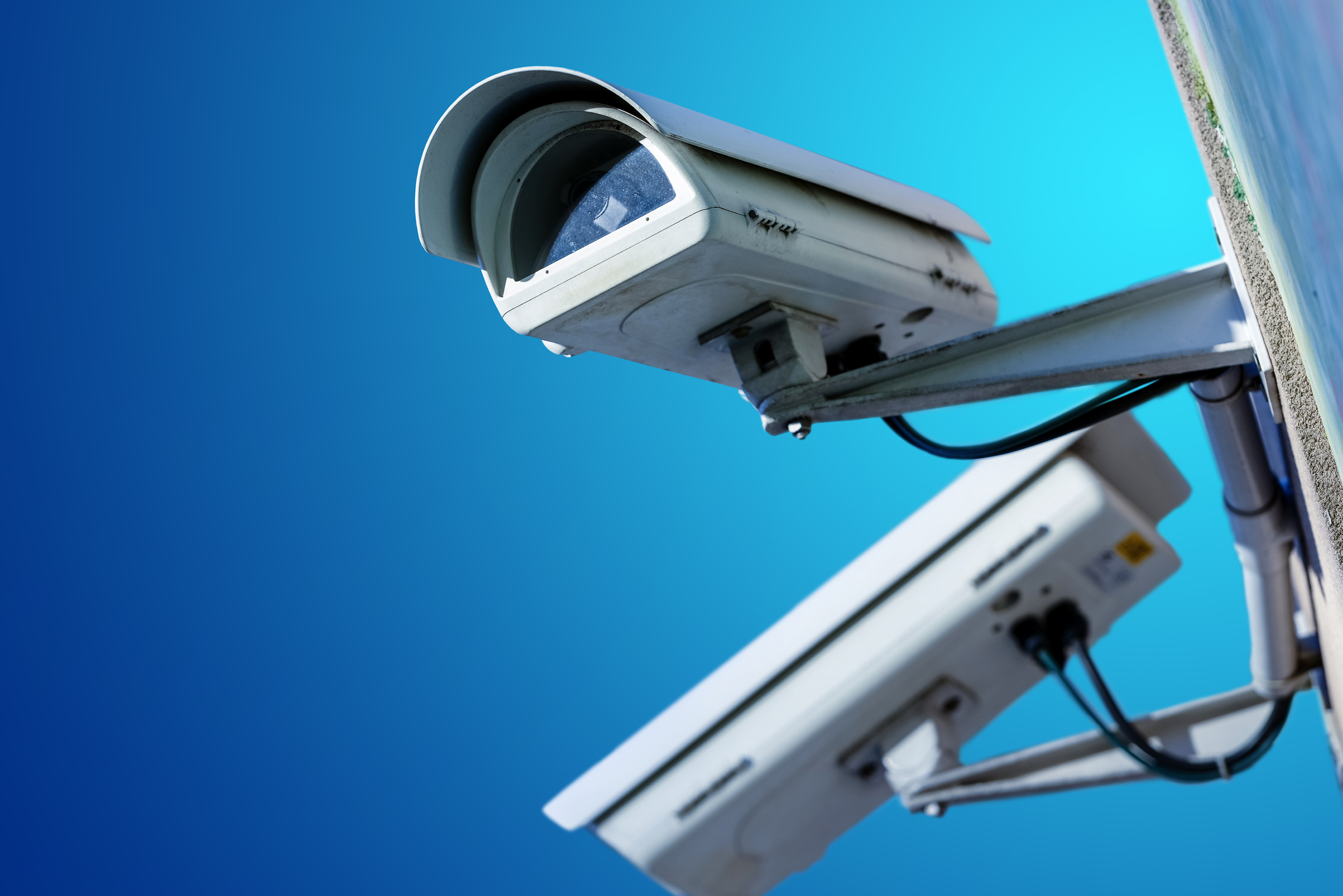
If you’re dealing with a slip-and-fall claim or an auto accident injury, you’ve maybe heard that video evidence could support your case. Videos, when available, provide clear, hard footage of when and how certain events occurred. Because of this, the role of surveillance in personal injury cases is often critical.
Below, our personal injury lawyers in Wichita from Larry Wall Trial Law discuss the different ways that surveillance can impact a claim and how to collect this type of evidence.
The Role Surveillance Footage May Play in Personal Injury Claims
Surveillance footage can play an important role in personal injury claims by helping establish what happened before, during, and after an accident. Depending on the circumstances, video evidence may:
- Aid in liability determination: Video footage can help show how an accident occurred and whether a party acted negligently or failed to address unsafe conditions.
- Provide proof of negligence: Surveillance recordings may capture actions such as distracted driving, unsafe property conditions, or other conduct that contributed to an injury.
- Dispute insurance defense investigations: Insurance companies might question the seriousness of an injury or how an accident happened. Footage could help counter any inaccurate claims.
- Influence settlement discussions: Clear video evidence can affect how each side evaluates a claim, potentially impacting negotiations before a case reaches trial, if it does.
Questions That Surveillance Footage May Answer
Quite a few questions can come up throughout the process of filing a personal injury lawsuit. For example, in a slip-and-fall case, courts may want to know when the hazardous condition was created, if a wet floor sign was placed, if anyone saw you fall, if staff helped you after you were injured, and what the accident looked like.
Without surveillance, answering these questions requires relying on the memory of the claimant and any witnesses. Video footage provides a clear account of exactly what happened and whether negligence played a role.
How Is Video Evidence Collected?
Surveillance in personal injury cases is often obtained from nearby recording systems, such as traffic cameras, dashcams, or witnesses’ mobile devices. Businesses like grocery stores, gas stations, restaurants, hotels, and retail shops commonly use security cameras that may capture an accident or the events leading up to it. In auto accident cases, footage may also come from intersection cameras, parking lots, or nearby homes equipped with doorbell cameras.
Because many systems automatically delete recordings after a short period of time, obtaining footage quickly can be important. Video evidence is typically collected through a formal request process. Your attorney may be able to request copies of recordings before they are erased or overwritten.
Do You Need Help Collecting Evidence for a Personal Injury Claim?
Surveillance in personal injury cases can play an important role in liability determination, settlement negotiations, and more. To continue learning how to build a strong case, read our guide on the mistakes to avoid in a personal injury claim. If you need help with an active case, call Larry Wall Trial Law at (316) 265-6000 to schedule a consultation.