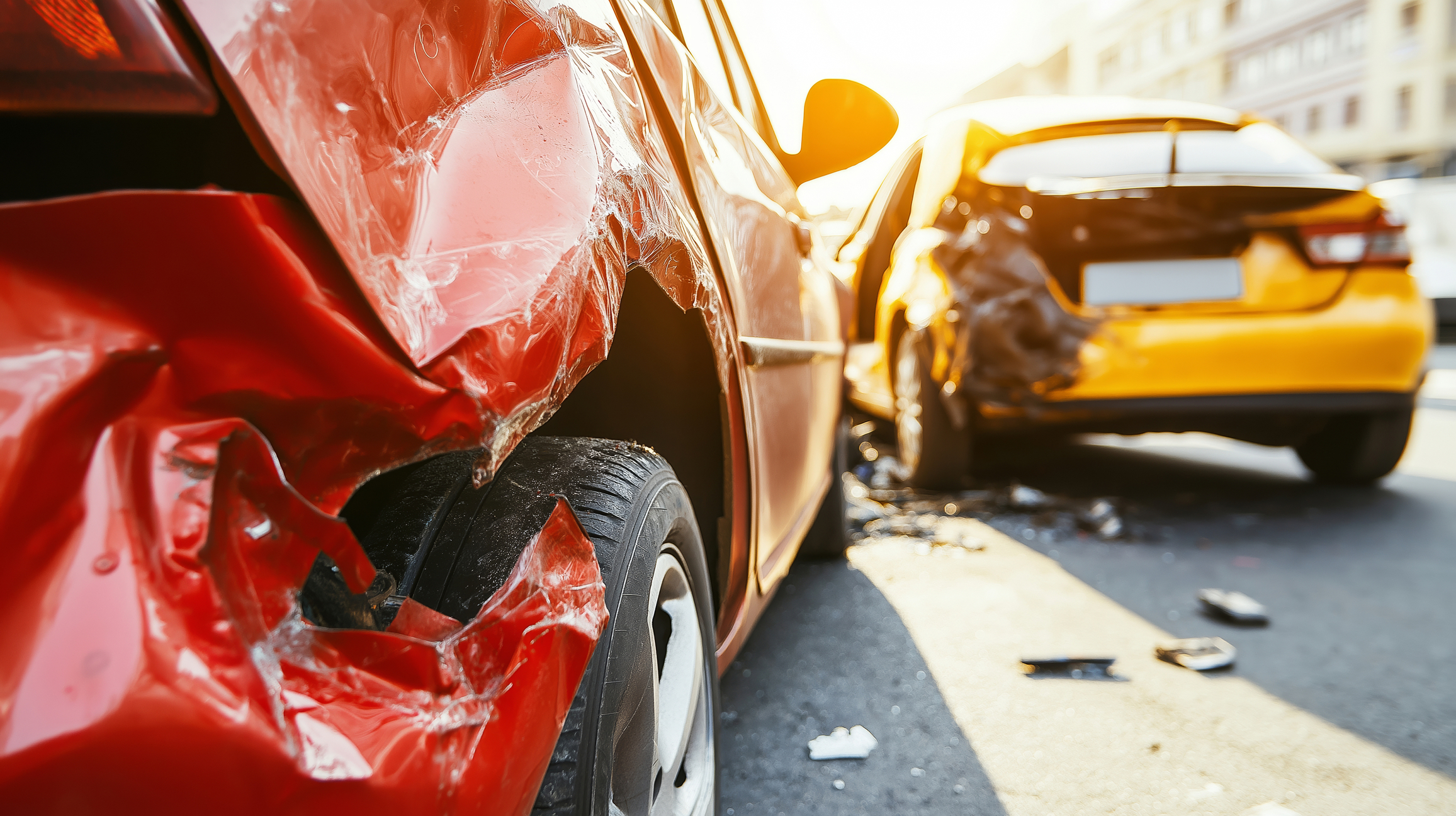
Who Is at Fault in a Chain-Reaction Car Accident?
Determining liability in a multi-vehicle pileup can be challenging. These accidents happen quickly, and the at-fault driver may not realize at first that their actions caused the crash. Other drivers involved may also be unsure of how the crash started or which vehicle triggered the chain reaction.
How fault is assigned can affect your compensation, so it’s important to take a closer look at liability. Who is at fault for a chain-reaction car accident? Here is what you need to know from our personal injury lawyers.
Kansas’s No-Fault Insurance Laws Apply First
Kansas is one of 12 states that follow a no-fault auto insurance system. After an accident, your own auto personal injury protection (PIP) coverage pays for initial medical bills, lost wages, and related injury expenses.
The no-fault system only applies to injuries, not property damage. You are permitted to file property damage claims through the at-fault driver’s liability insurance, which is why determining liability is still important.
You may also be able to step outside the no-fault system and sue the at-fault driver for pain and suffering personal injury damages and compensation if your medical expenses total $2,000 more, or you suffer a qualifying severe injury.
The Rear Driver Is Not Always at Fault
Chain-reaction collisions occur when an initial impact or stop triggers a sequence of subsequent crashes between three or more vehicles. The rearmost driver is often initially assigned fault. When this driver rear-ends the vehicle in front of them, they can push that vehicle into the one ahead, and so on, creating a chain reaction.
However, the rear driver is not always responsible for these accidents. Common scenarios include:
- An obstruction in the road causes Vehicle A to stop suddenly, and Vehicles B and C collide in a chain reaction because they do not have enough time to stop.
- Vehicle B rear-ends Vehicle A first, then Vehicle C separately rear-ends Vehicle B because they were following too closely.
- A sudden slow-down allows Vehicle B to stop safely, but Vehicle C rear-ends Vehicle B, pushing Vehicle B into Vehicle A.
Other factors may also impact liability determinations, such as driving under the influence, distracted driving, and adverse weather.
Comparative Negligence May Impact Your Payout
Kansas follows a modified comparative negligence rule, which allows multiple parties to be assigned a percentage of fault in an accident. You can recover damages from other parties only if your negligence is less than the combined negligence of other parties, meaning you are 49% or less at fault. Compensation is reduced by your percentage of fault.
To maximize your compensation, you need evidence showing that you were not primarily responsible for the accident. Dash cam footage, photos of the accident scene, witness testimonies, and accident reconstruction evidence can all help.
Request a Legal Consultation After Your Chain-Reaction Collision
Larry Wall Trial Law represents car accident victims through the insurance and legal process. If you need help determining who is at fault for a chain-reaction car accident, request a free consultation with our attorneys at 316-265-6000. Also review the signs of a spinal cord injury to watch out for after an accident.